

Understanding the Importance of GNSS Receivers and RTK Technology

Global Navigation Satellite Systems (GNSS) have transformed how we measure and map the world. For professionals working in surveying, engineering, GIS, and precision agriculture, accuracy is everything. That’s where GNSS receivers come in. They capture satellite signals to pinpoint locations on Earth. But not all GNSS receivers are created equal. Some offer basic positioning, while others provide centimeter-level precision. This post explores the significance of GNSS receivers, concentrating on the technology behind Real-Time Kinematic (RTK) systems and how they enhance accuracy for demanding projects.
Why GNSS Receivers Matter in Precision Work
GNSS receivers are the backbone of modern location-based tasks. They receive signals from satellites like GPS, GLONASS, Galileo, and BeiDou. The receiver calculates its position by measuring the time it takes for signals to travel from satellites to the device. This process is called trilateration.
The importance of GNSS receivers lies in their ability to provide reliable, real-time location data. For example:
Surveyors rely on GNSS receivers to map land boundaries accurately.
Engineers use them to guide construction machinery.
GIS professionals collect spatial data for mapping and analysis.
Precision agriculture experts optimize planting and harvesting by tracking exact field locations.
Without accurate GNSS receivers, these tasks would be slower, less precise, and more prone to errors. The quality of the receiver directly impacts the quality of the data collected.

What is an RTK GNSS receiver?
An RTK GNSS receiver is a specialized device that improves positioning accuracy by using real-time corrections. RTK stands for Real-Time Kinematic. It works by comparing signals from a fixed base station with those received by a rover (the mobile receiver). The base station knows its exact location and sends correction data to the rover. This process reduces errors caused by atmospheric conditions, satellite clock drift, and other factors.
The result? Positioning accuracy improves from a few meters to just a few centimeters. This level of precision is crucial for tasks like:
Land surveying where boundary lines must be exact.
Construction projects requiring precise machine control.
Mapping utilities and infrastructure.
Precision farming to optimize input use and yields.
RTK systems typically use radio, cellular, or internet connections to transmit correction data instantly. This means users receive accurate location data in real-time, without waiting for post-processing.
How RTK GNSS Receivers Work in Practice
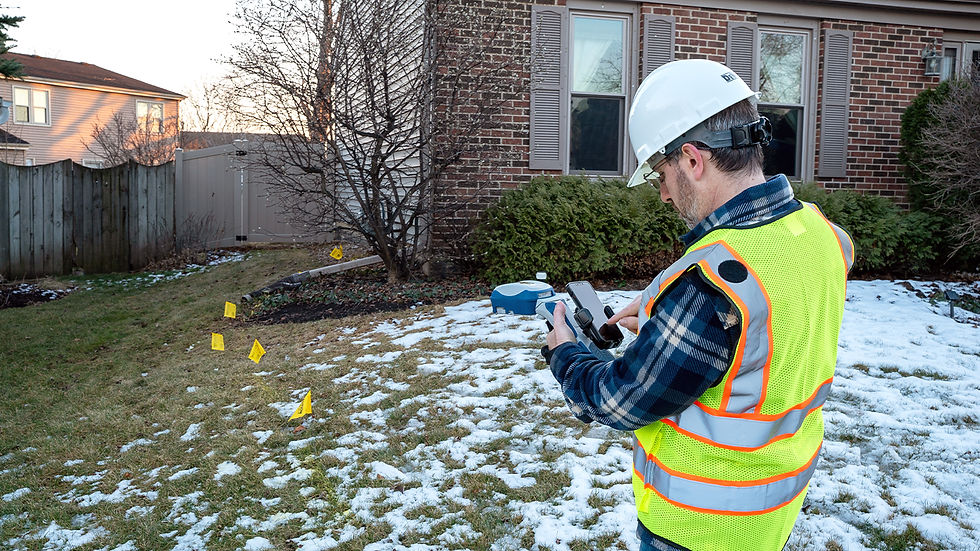
Using an RTK GNSS receiver involves two main components: the base station and the rover. The base station is located at a fixed, known position. It continuously receives satellite signals and calculates the errors in those signals. Then, it sends correction data to the rover.
The rover is the mobile unit that collects position data for the project. It applies the corrections from the base station to its own satellite measurements. This process occurs in real-time, enabling the rover to achieve centimeter-level accuracy.
Here’s a simple breakdown:
Base station receives satellite signals and calculates errors.
Base station sends correction data to rover.
Rover applies corrections to its satellite data.
Rover outputs highly accurate position coordinates.
This setup is especially useful in areas where precision is critical and errors can be costly. For example, in construction, a few centimeters off can mean structural issues or costly rework.
Choosing the Right RTK GNSS Receiver for Your Needs
Not all RTK GNSS receivers are the same. When selecting one, consider:
Accuracy requirements: Some models offer better precision or faster fix times.
Compatibility: Ensure the receiver supports multiple satellite constellations (GPS, GLONASS, Galileo, BeiDou) for better coverage.
Communication options: Look for receivers that support cellular, radio, or internet correction data.
Durability: Fieldwork can be tough. Select rugged devices that can withstand weather conditionsand rough handling.
Battery life: For long projects, receivers need to last all day.
Ease of use: Intuitive interfaces and software compatibility save time and reduce errors.
For example, a surveyor working in urban areas might prioritize multi-constellation support and cellular connectivity. Meanwhile, a precision agriculture professional might focus on battery life and ruggedness.
Getting the Most from Your RTK GNSS Receiver
To maximize the benefits of your rtk gnss receiver, follow these tips:
Set up (or choose) your base station carefully: Place it on stable ground with a clear view of the sky.
Check satellite visibility: Avoid obstructions like tall buildings or dense trees.
Use high-quality antennas: They enhance signal reception and minimize noise.
Keep firmware updated: Manufacturers often release updates that improve performance.
Train your team: Proper use and maintenance prevent errors and downtime.
Plan for connectivity: Ensure reliable communication between base and rover, especially in remote areas.
By following these steps, you’ll obtain reliable and accurate data that accelerates your projects and minimizes costly mistakes.
The Future of GNSS and RTK Technology
GNSS technology keeps evolving. New satellite constellations and signals improve coverage and accuracy. RTK systems are becoming more affordable and easier to use. Cloud-based correction services and network RTK solutions enable users to access corrections without needing to set up their own base stations.
For professionals in the Mid-Atlantic region, affordable services like AlphaRTK aim to provide instant access to reliable RTK correction data. This means less hassle and more time focusing on the job.
As technology advances, expect even greater precision, faster fixes, and more seamless integration with other tools, such as drones and autonomous vehicles.
Understanding the importance of GNSS receivers and how RTK technology enhances their accuracy is key to success in precision tasks. Whether you’re surveying land, managing crops, or building infrastructure, the right equipment and setup make all the difference. Keep your gear up to date, choose wisely, and stay tuned for new developments in this rapidly evolving field.


Comments